Lesley Darling Fiber
Vendor
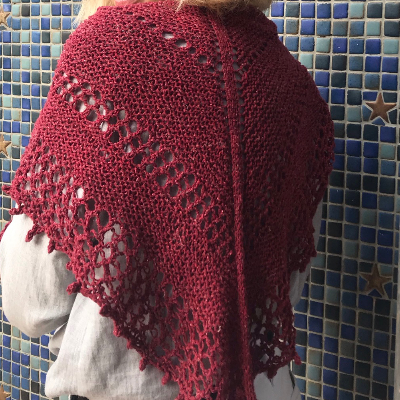
Lesley Darling is a Nebraska-based fiber artist who grows and wild-crafts natural dyes and plant products. In addition, she processes locally-sourced raw wool and fibers into finished yarns and products, and uses traditional and earth-forward techniques to create natural textiles.
Perennial Crops Antibiotic And Hormone Free Non Gmo Permaculture Design
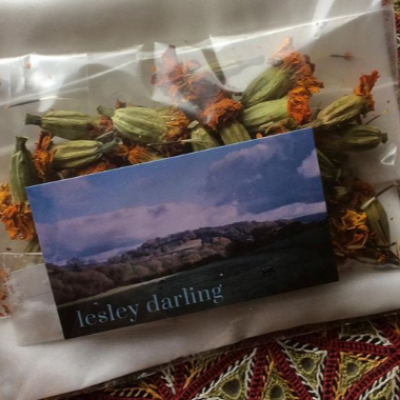
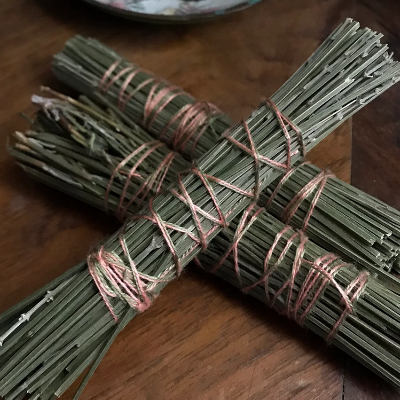
I grow the vast majority of my dyes here in Lincoln. Many are perennials and native species that provide ecosystems and forage for pollinators. All dyes are grown without the use of any pesticides, herbicides, or fertilizers beyond natural compost, and are a part of the landscape of the city, scattered throughout town to provide "stopping points" for our pollinator friends. My wild-crafted materials are foraged sustainably, never taking more than 10% of any given plant, and never harvesting any plant that is rare, under threat, or just plain sparse on the ground. I dry and process all of these plants myself. While dyeing, I use minimal water, natural mineral mordants, and keep a light footprint on the ground, returning all plant waste to compost. Any purchased dyes that I use as a supplement or "garnish" are sourced from the most sustainable places, and most are certified organic. A good comparison for this is a soap maker or lavender grower who purchases shea or coconut oil to add their product - I do the same with a few colors and fibers, but they are not the bulk of my product.
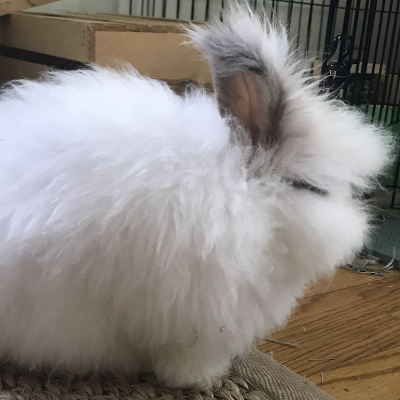
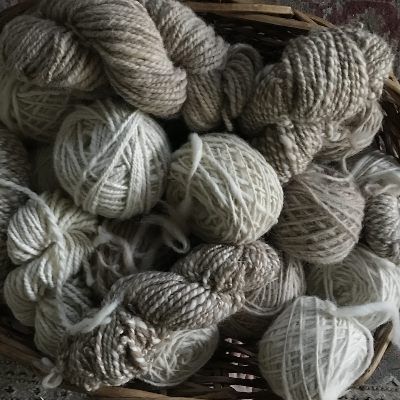
I produce fine angora wool, from my pedigree English Angora rabbits, raised free-range, antibiotic and hormone free, who eat a largely organic diet. All additional wool is sourced locally. Yarns and roving I source from Brown Sheep Wool Company in Mitchell, NE, who use wool grown in Nebraska. For my fully hand-processed items, I buy raw heritage-breed fleeces from Kreutzer Farms in Kearney, NE, which I then wash, card, and hand-spin into finished yarns and products.
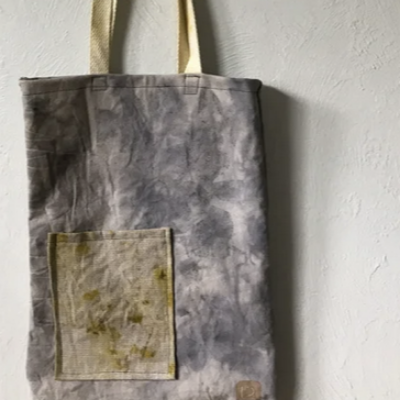
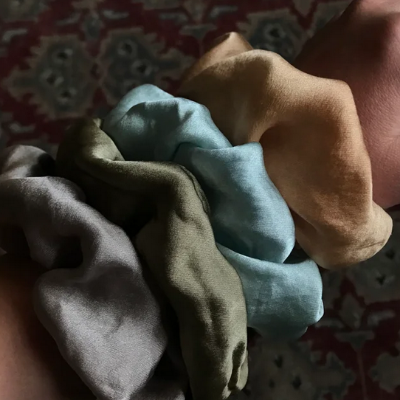
As with any value added product, there are a few things that must be sourced from farther afield, so as a jam-maker needs to purchase glass jars, or a cheesemaker needs rennet, I do use a minimum of new purchased items from the most reputable sources, but again, these are only to complement my grown and processed items. I also reclaim used garments from local charities and over-dye them with my local dyes, thus preventing more global waste. This type of green thinking is just in line with the values of the Sunday Market, who do their utmost to reduce waste, stop single-use plastic, and bolster our local economy through natural, local, products.

Around the web